
Legal framework
Basic Aerodrome Protection Zone Plan (PBZPA)
Brazilian Aeronautical Code — Law No. 7,565/1986, Article 44
The Basic Aerodrome Protection Zone Plan (PBZPA) is governed by the Brazilian Aeronautical Code (CBAer — Law No. 7,565/1986), specifically Article 44.
What is the PBZPA?
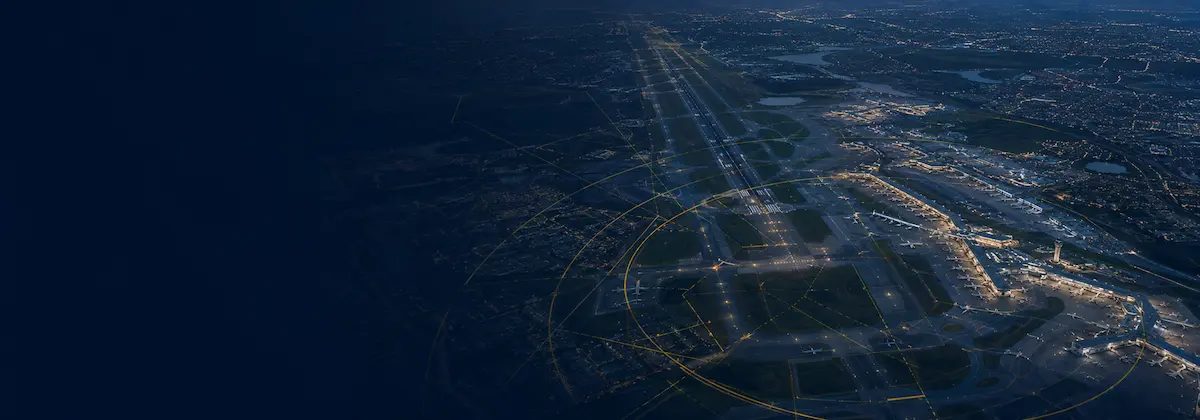
- Definition: A set of Obstacle Limitation Surfaces (OLS) defining a volume of airspace free from interference around an aerodrome or helipad.
- Purpose: To ensure the safety, regularity and efficiency of landing and take-off operations, and to prevent unplanned urban growth or the proliferation of tall buildings from compromising airport operations.
- Scope: Applies to any public or private asset or property in areas neighbouring the aerodrome.
Key provisions of the Brazilian Aeronautical Code
- Land-use restrictions: Municipal and local public authorities must align urban zoning and land use with the restrictions imposed by aeronautical protection plans (Article 44, paragraph 4 of the CBAer).
- Obstacles: The aeronautical authority (DECEA / ANAC) may require marking or removal of buildings, antennas, trees, power lines or other projected objects exceeding the maximum heights permitted by the plan’s surfaces, without compensation for the offender.
- Responsibility: The property owner or possessor is responsible for installing, operating and maintaining the required obstacle-marking equipment, subject to a daily fine for non-compliance (Article 44, paragraphs 6 and 7 of the CBAer).